


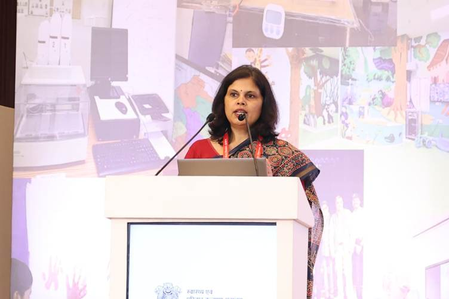
The government highlighted the importance of addressing rare diseases, a focus that originated in the National Health Policy of 2017 and was further solidified with the launch of the National Policy for Rare Diseases in 2021. This initiative has positioned India among countries with a comprehensive framework for rare diseases. Union Health Secretary Punya Salila Srivastava, speaking at a conference, emphasized the objective of understanding challenges, promoting innovations, and enhancing the management of rare diseases in the country.
The National Policy for Rare Diseases is being implemented through Centers of Excellence (CoEs) located in premier tertiary hospitals across India. The number of CoEs has increased from 8 to 15, with two additional CoEs established in the north-east region, strengthening the national clinical care and support system. Financial assistance under the policy has been raised to Rs 50 lakh to improve patient access to treatment for identified rare diseases.
In response to the escalating costs of therapies, the government has exempted life-saving drugs from basic customs duty, with further expansions announced in the recent Union Budget. Stakeholders are encouraged to propose additional drugs for similar exemptions. The Indian Council of Medical Research’s contributions were acknowledged for advancing indigenous research and therapy development for rare diseases.
Dr. Rajiv Bahl, Secretary of the Department of Health Research and Director General of the Indian Council of Medical Research, highlighted the significant advancements made in rare disease management over the past three decades. He emphasized the need for India to establish a unique model for diagnosing, treating, and preventing rare diseases tailored to the local context. Dr. Bahl stressed the importance of expanding tools for managing rare diseases, an effort actively pursued by the Indian Council of Medical Research.
Dr. Sunita Sharma, Director General of Health Services, underscored the necessity of strengthening health systems for early diagnosis and comprehensive management of rare diseases. She emphasized the integration of rare disease services across various healthcare levels to ensure timely referral and continuity of care through an efficient network of facilities.
