


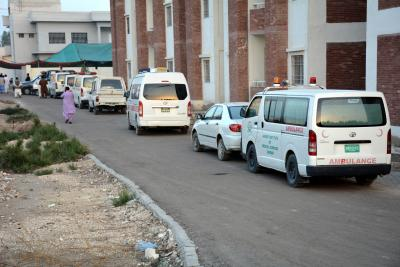
Government hospitals in Hyderabad, Sindh province, Pakistan are facing challenges in providing basic healthcare services to patients. The hospitals, including Civil Hospital Hyderabad and taluka hospitals, are experiencing a severe shortage of medicines, diagnostic facilities, and functional medical equipment. This scarcity is primarily attributed to alleged poor oversight by health department officials, as reported by local media.
The situation has escalated to the point where patients are unable to access essential medicines and routine laboratory tests at these facilities. Consequently, individuals are compelled to seek treatment at private hospitals and laboratories, where they are required to pay substantial amounts for preliminary check-ups. The non-operational trauma center on Hala Naka Road has added to the burden on Civil Hospital Hyderabad, which already struggles with inadequate treatment facilities and non-functional equipment.
Civil Hospital Hyderabad currently has only one operational MRI and CT scan machine, while other diagnostic equipment has been non-functional for months. Similarly, taluka hospitals in Hyderabad, such as Sindh Government Bhittai Hospital Latifabad, Government Hospital Qasimabad, and others, are also facing shortages of testing facilities and essential medicines. This dire situation has led to patients seeking healthcare services in facilities that are ill-equipped to cater to their needs.
The healthcare crisis in Pakistan has been further exacerbated by a surge in HIV cases, with the country ranking second in the Asia-Pacific region. The prevalence of HIV reflects not only a medical emergency but also underscores systemic issues, including the failure to uphold basic health standards and the repercussions of corruption. Reports indicate a concerning number of registered HIV-positive children in Sindh, highlighting the urgent need for comprehensive interventions to address the deepening crisis.
