


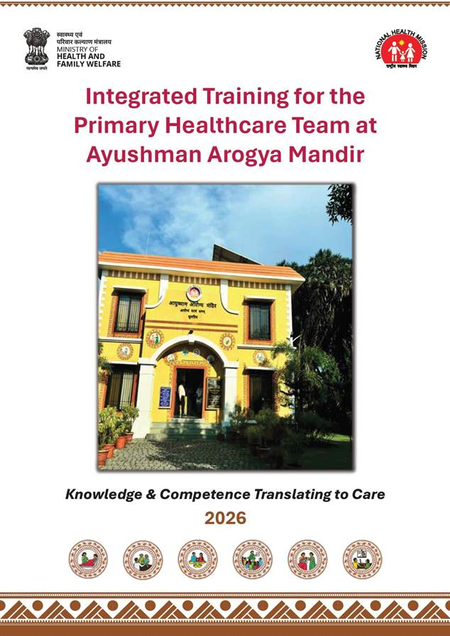
The government has introduced an integrated training program for primary healthcare teams to consolidate various training programs into a unified competency-driven structure. This initiative aims to enhance frontline care delivery, as per an official statement. Union Health Minister JP Nadda inaugurated the training program, which is designed to simplify learning and boost the skills of frontline healthcare providers.
The program focuses on equipping healthcare workers to offer comprehensive care, ranging from prevention and early detection to treatment and follow-up. It ensures that individuals receive appropriate care promptly and closer to their residences. Additionally, the training will leverage digital platforms like iGOT Karmayogi for continuous learning to enhance workforce adaptability and readiness for the future.
By strengthening the capacity of community-based healthcare workers, the initiative aims to deliver empathetic, responsive, and high-quality care. It particularly empowers women, who constitute more than 70% of the primary healthcare workforce, including ASHAs, ANMs, and CHOs. Through Integrated Training Modules, primary healthcare teams will be able to provide holistic, people-centered care while fostering trust between communities and the healthcare system.
This training reform represents a strategic investment in India’s public health future, transitioning from fragmented capacity building to a structured, competency-driven framework. It is envisioned to empower India’s frontline health workforce to deliver comprehensive, people-centered care at the grassroots level. India’s healthcare investments have been proactive, with a strong emphasis on Comprehensive Primary Health Care and community engagement in recent years, emphasizing the importance of equitable and accessible healthcare.
