


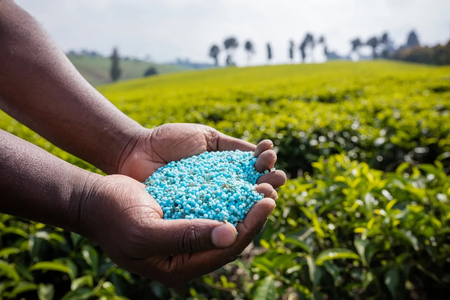
The Ministry of Fertilisers in India has confirmed that despite a significant surge in global fertiliser prices, retail prices for major fertilisers in the country remain unchanged. The government’s commitment to shielding farmers from global price fluctuations while ensuring affordability and accessibility has led to this decision. Urea, for instance, continues to be supplied to farmers at a highly subsidised rate of Rs 266.5 per 45 kg bag, even as international urea prices surpass Rs 4,000 per bag.
Fertiliser availability in India remains robust, surpassing the current requirements. As of Monday, the stock for kharif 2026 stands at around 190 LMT (49 per cent), well above the usual level of about 33 per cent. This surplus reflects improved planning, advance stocking, and efficient logistics management by the government, as highlighted in a ministry statement. The supply position across states remains strong, with availability exceeding requirements for the period from April 1 to April 26.
The statement further reveals that urea availability stands at 71.40 LMT against a requirement of 20.54 LMT, while DAP, MOP, NPK, and SSP availability also exceed their respective requirements. The government has addressed issues related to natural gas availability for domestic urea production, ensuring a steady supply to fertiliser plants. Currently, 97 per cent of LNG/RLNG is available to these plants, with most urea plants operating at optimal levels.
In a bid to enhance fertiliser availability during the peak season, Indian fertiliser companies have issued a global tender for the procurement of DAP, TSP, and ammonium sulphate. This move, along with securing urea through global tenders, aims to maintain adequate fertiliser availability. India’s fertiliser security is described as strong, stable, and well-managed, with consistent availability across all major fertilisers.
