


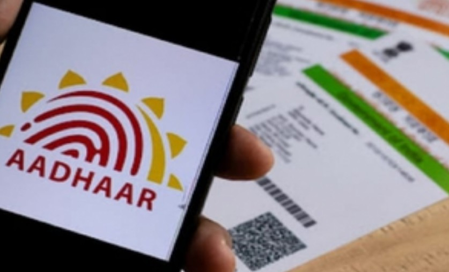
In a move towards privacy-focused digital services, the government announced that over 100 entities have joined as Offline Verification Seeking Entities (OVSEs) in just three months since the launch of Aadhaar-based offline verification. This achievement by the Unique Identification Authority of India signifies a significant advancement in enabling secure, consent-driven, and paperless identity verification using Aadhaar without real-time access to central databases.
The integrated entities come from various sectors, including central and state government departments, fintech firms, hospitality, event management companies, educational bodies, and background verification organizations, as stated by the Ministry of Electronics & IT. Their inclusion in the system is anticipated to streamline service delivery, reduce processing time, and lessen the dependence on physical documents.
Aadhaar’s offline verification system allows users to share limited identity data through methods like QR code-based verification and digitally signed documents. This empowers individuals to control their personal information, select what to disclose, and uphold high data security and privacy standards.
The Ministry highlighted that the onboarding of OVSEs demonstrates increasing confidence in Aadhaar-enabled verification frameworks that emphasize user consent and transparency. The decentralized structure of the system is crafted to enhance scalability and resilience, aligning with India’s broader goal of constructing a robust digital public infrastructure.
The initiative aims to enhance the user experience by facilitating faster and more efficient interactions between citizens and service providers. Aadhaar holders are poised to benefit from expedited onboarding processes, reduced paperwork, and enhanced data control in everyday transactions.
