


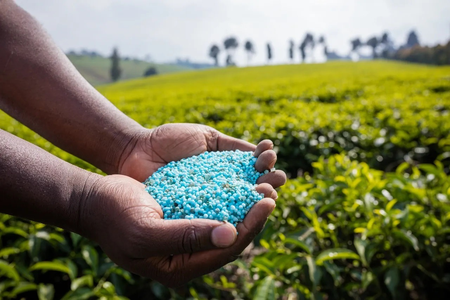
The government has implemented various measures to enhance domestic fertiliser production, secure raw materials, and ensure a steady supply of fertilisers to farmers amid global supply disruptions. India’s urea production capacity has increased to 269.42 lakh metric tonnes per annum (LMTPA) with the addition of six new plants, while 42.7 LMT of urea has been procured through global tenders to maintain sufficient stocks.
Factors like raw material availability, price fluctuations, and technical shutdowns impact domestic production, prompting the government to diversify sourcing and secure additional urea through global tenders. To guarantee timely availability, the Department of Agriculture & Farmers Welfare collaborates with State Governments to assess seasonal fertiliser needs and allocates supplies through monthly plans.
Under the New Investment Policy (NIP)-2012, six new urea plants have been commissioned, contributing 76.2 LMTPA to the country’s production capacity. This includes joint venture plants and privately set-up units, leading to a rise in indigenous urea production capacity from 207.54 LMTPA in 2014-15 to 269.42 LMTPA in 2026-27. Additionally, the government is progressing with projects like Talcher Fertilisers Limited (TFL) and a Brownfield Ammonia-Urea Complex in Namrup, Assam.
