


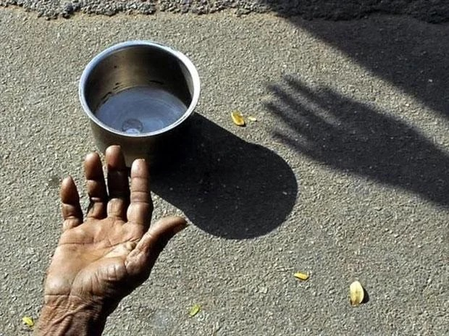
Over 31,000 individuals have been identified and nearly 10,000 rehabilitated through the beggary sub-scheme of the SMILE programme, as disclosed by the government. Currently, 21 Garima Grehs are operational in 17 states, with three more approved for establishment by August 2025. These shelter homes cater to transgender persons facing homelessness due to family rejection or societal stigma, offering them safe accommodation, food, medical care, and skill-building support.
Garima Greh facilities are managed by Community Based Organisations (CBOs) with financial aid from the Department of Social Justice and Empowerment (DoSJE). Launched in 2022, SMILE (Support for Marginalized Individuals for Livelihood and Enterprise) is India’s pioneering national initiative to rescue and support marginalized individuals comprehensively. This program aims to provide healthcare, education, counseling, skill development, and long-term economic independence to those in need.
Under the Ayushman Bharat TG Plus initiative, transgender individuals receive health coverage worth Rs. 5 lakh annually, encompassing gender-affirming care, hormone therapy, and sex reassignment surgery at designated hospitals. The government has allocated Rs. 390 crore for the SMILE scheme from 2021 to 2026, emphasizing its commitment to the welfare of marginalized citizens through an integrated approach.
The SMILE scheme also extends scholarships to transgender students from Class IX through post-graduation, promoting educational opportunities for this community. Additionally, the SMILE sub-scheme for Comprehensive Rehabilitation of Persons Engaged in the Act of Begging aligns with the government’s vision of a Begging-Free India by offering holistic rehabilitation measures. Entrepreneurship Development Programs have been initiated nationwide on a pilot basis to train 1,800 transgender persons in business planning, market analysis, regulatory compliance, financial access, and connections to incubation centers or banks.
