


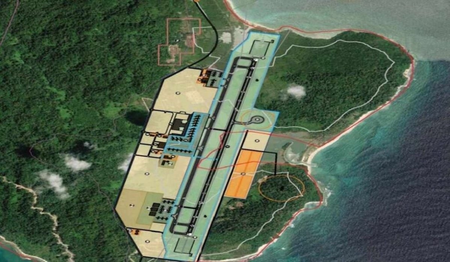
Great Nicobar Island, part of the Andaman and Nicobar archipelago, is home to the Shompen and Great Nicobarese indigenous groups. The Shompen, a small community of hunter-gatherers and farmers, live isolated lives. The Great Nicobarese faced tragedy during the 2004 tsunami, leading to relocation.
Situated near the Strait of Malacca, Great Nicobar Island is set to become a crucial geopolitical asset for India. It offers a strategic advantage for monitoring and securing maritime routes in the eastern Indian Ocean. India’s focus on multi-layered defenses and deepening regional partnerships underscores the island’s significance in the Indo-Pacific strategy.
The Indian Navy’s efforts in the Indian Ocean Region include countering Chinese submarine threats. The region’s key straits, like the Malacca Strait, play a vital role in global trade routes. India’s naval strategy emphasizes both sea control and sea denial to safeguard its maritime interests effectively.
India’s plan to develop Great Nicobar Island aligns with its defense strategy, aiming to enhance surveillance, logistical capabilities, and regional stability. The island’s strategic location allows for rapid asset deployment, continuous surveillance over critical sea lanes, and strengthens India’s deterrence capabilities.
