


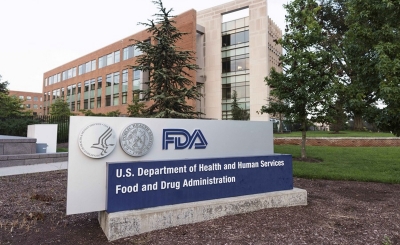
A rising worry about chemicals in the US food chain has prompted demands in Congress for stricter supervision. Lawmakers highlighted gaps in regulation and labeling that are causing uncertainty among consumers about the contents of their food. At a legislative hearing, various bills were discussed to enhance transparency, bolster the Food and Drug Administration (FDA), and update aging food safety regulations.
Congressman Morgan Griffith emphasized the urgency of the situation, noting the increasing prevalence of chronic diseases associated with dietary habits. He pointed out that numerous complex chemicals are now classified as generally recognized as safe (GRAS) without undergoing formal FDA approval. The GRAS system, established in 1958, was scrutinized for its expansion beyond its original scope of common ingredients to encompass a broad array of substances entering the food supply without direct federal scrutiny.
Calls for more stringent oversight were echoed by Democrats, who expressed concerns over the lack of government knowledge regarding the number of ingredients in American food. Public health advocates and industry experts supported the need for FDA review of new additives and a reassessment of existing chemicals. Industry representatives cautioned against disparate state regulations, citing potential cost increases and supply chain disruptions.
Lawmakers from both sides emphasized the necessity for clearer food labeling, proposing measures such as standardizing date labels, enhancing allergen disclosures, and providing more transparent information on additives and caffeine. Coordination challenges between federal and state agencies were highlighted, with delays in information sharing hindering responses to food safety incidents. The debate also touched on the role of states in food oversight, with Republicans advocating for a national standard for consistency and Democrats emphasizing state actions in the absence of federal oversight.
Concerns were raised about FDA capacity, including staffing cuts and limited resources impacting inspections, chemical reviews, and enforcement. Proposed legislative reforms aim to address issues within the GRAS system, allergen labeling, infant formula oversight, and inter-agency coordination. The discussion reflects a growing apprehension surrounding ultra-processed foods and additives linked to health issues, underscoring the need for updates to US food safety laws to align with evolving food systems and increasing additive use.
