


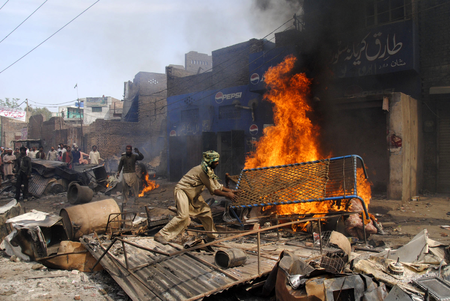
A concerning trend in Pakistan shows a rise in blasphemy accusations for digital offenses, termed as a “blasphemy business” by human rights organizations. Fabricated evidence, digitally altered screenshots, and false witness statements are being used to file police complaints. Recently, the Lahore High Court acquitted six individuals who had received severe sentences in a digital blasphemy case.
The court highlighted the emergence of ‘blasphemy businesses’, noting the use of unverified digital content to falsely implicate individuals in serious crimes. Targeted mainly at religious minorities or low-income groups, these individuals are coerced into paying intermediaries to avoid legal action or negotiate with complainants and clerical authorities. This shift signifies a move from random blasphemy accusations to organized entrapment operations by criminal networks exploiting these laws for extortion.
In one instance, a young man in Rawalpindi seeking employment was tricked on WhatsApp by someone posing as a recruiter. After being sent a sexually explicit image overlaid with Islamic text, he was later framed for blasphemy based on that image. Pakistan’s stringent blasphemy laws, particularly Section 295-C of the Pakistan Penal Code, have created a hostile environment where even baseless allegations can lead to arrest, violence, or extrajudicial killings.
The report by the Centre for the Study of Organised Hate underscores the dangerous impact of blasphemy allegations in Pakistan, where lives can be threatened or destroyed merely by an accusation. Extremist-linked online vigilante groups, such as the Legal Commission on Blasphemy Pakistan (LCBP), play a significant role in prosecuting online blasphemy cases. Religious minorities like Christians, Ahmadis, Hindus, Sikhs, and Shia Muslims are especially vulnerable to discrimination and societal hostility, making them easy targets for such accusations.
