


A recent report by the Gujarat Rajya Institute for Transformation (GRIT) has unveiled a comprehensive plan for Gujarat to become India’s primary biotechnology and biomanufacturing hub by 2030. The report emphasizes the importance of nurturing a skilled workforce, enhancing specialized education, and reinforcing industry-oriented training.
The bio-economy in India has surged from $10 billion in 2014 to over $150 billion in 2024. With the support of the BioE3 Policy, aiming to build a $300 billion bio-economy by 2030, Gujarat, responsible for 40% of India’s pharmaceutical production, is poised to play a pivotal role.
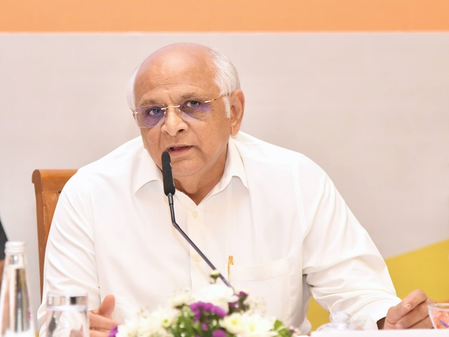
Gujarat’s strategic position, accounting for a significant portion of pharmaceutical and chemical manufacturing in India, aligns well with the national bio-economy target. Chief Minister Bhupendra Patel’s leadership aims to capitalize on the state’s industrial foundation and expand its skilled workforce to excel in biotechnology and biomanufacturing.
The report forecasts substantial growth in biopharma, bio-industrial manufacturing, and bio-agriculture sectors as key drivers of the bio-economy. Biopharma, constituting 35% of the sector, is primarily driven by vaccines, therapeutics, and diagnostics, with India already supplying over 35% of global vaccine demand.
