


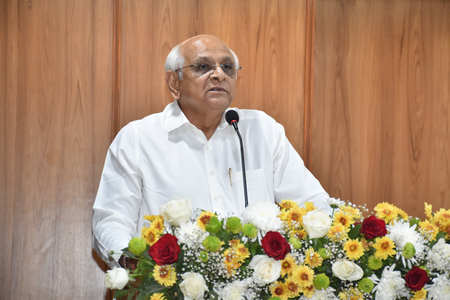
Gujarat has initiated preparations for the Phase-1 of the nationwide Census in 2027, focusing on accuracy, transparency, and the integration of digital tools to streamline the process. A special meeting was convened in Gandhinagar, chaired by Chief Secretary M. K. Das, gathering Principal Census Officers from Gujarat, Dadra and Nagar Haveli, and Daman and Diu. Chief Secretary Das highlighted that the forthcoming Census aims to establish new standards in administrative efficiency and digital governance.
The 2027 Census in India is deemed crucial for informing policy decisions and fostering the comprehensive development of the nation, particularly in light of rapid urban population growth. Emphasizing the significance of meticulous planning at district and urban levels, Das underscored that the Census serves as a pivotal platform for future national planning, citizen-centric program objectives, and developmental strategies. The adoption of digital tools is expected to expedite the Census process, which historically took 3 to 4 years to complete.
Registrar General and Census Commissioner of India, Mrityunjay Kumar Narayan, emphasized the historical importance of India’s census, tracing its origins back to 1881. He stressed that the success of the Census hinges on the proactive involvement, backing, and continuous oversight of district collectors and municipal commissioners. Additional Chief Secretary of the Revenue Department, Jayanti Ravi, outlined forthcoming initiatives for the 2027 Census, highlighting the extensive use of technology to ensure real-time transparency and facilitate data analysis.
Director of Census, Gujarat, Sujal Mayatra, characterized the Census as one of the world’s most extensive and intricate administrative undertakings, showcasing India’s institutional robustness. He underscored the critical role of decennial population data in resource allocation, urban planning, welfare schemes, and targeted interventions. The 2027 Census is particularly significant as it aligns with an era of data-driven, technology-enabled governance, reflecting a shift towards modernized approaches.
The upcoming Census will be executed in two phases: the initial phase focusing on house listing and housing census, followed by the population enumeration phase. Operations for House Listing and Housing Census are slated to commence in April-May 2026, with provisions for citizens to submit information online. The meeting, attended by secretaries, district collectors, and municipal commissioners, also featured discussions on planning, training, staff appointments, and the introduction of digital self-enumeration facilities under HLO Phase I.
