


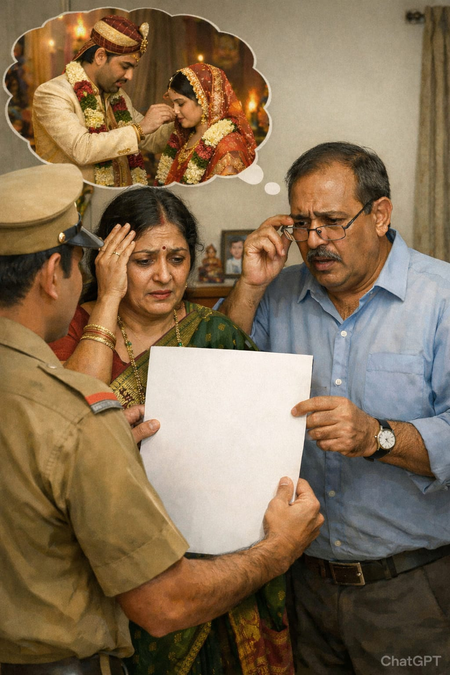
In a bustling newsroom, a heated discussion unfolded between two senior women professionals regarding the proposed amendments to the Gujarat Registration of Marriages Act, 2006. The amendments include a mandatory declaration by the bride and groom about their parents’ awareness of the marriage, with notifications to parents and a 30-day waiting period before issuing the marriage certificate. The government aims to involve parents in the process, citing it as a move to safeguard parental sentiments and rights.
While one journalist supported the involvement of parents, emphasizing Indian family values, the other journalist argued that such measures restrict individual freedom and autonomy. The debate mirrored the divided reactions on the ground. The proposed changes also include a digital system for immediate parental notifications when couples apply for marriage registration, aiming to balance tradition with evolving ideas of individual freedom.
The proposed amendments have sparked discussions on inter-caste marriages, personal choice, and concerns of love jihad. Gujarat Deputy Chief Minister Harsh Sanghavi mentioned the issue of love jihad in the state assembly, emphasizing the need to protect young girls. The move has ignited broader conversations about transparency, parental involvement, and the delicate balance between tradition and personal liberty. The government has initiated a 30-day public feedback window to gauge societal sentiments on the proposed changes.
Amidst the dramatic political protests, the Gujarat government’s proposal raises a poignant question: Do parents have the right to be informed if their adult children marry against their wishes? The proposed changes aim to institutionalize transparency and parental participation in marriage registrations, reflecting a societal shift towards valuing independence and self-determination. The evolving dynamics between tradition and modernity will likely shape future debates and decisions on marriage laws in India.
