


Gujarat has distributed Soil Health Cards to 2.19 crore farmers as part of its sustainable agriculture efforts. This initiative, known as the Soil Health Card (SHC) scheme, aims to enhance crop productivity through scientific soil management. The scheme was launched in 2003–04 during Narendra Modi’s tenure as Chief Minister of Gujarat.
The Soil Health Card scheme marked Gujarat as the first state in India to introduce a structured soil testing and advisory program for farmers. Since its inception, the program has expanded nationwide, with the current Chief Minister, Bhupendra Patel, continuing its implementation. The primary goal remains to boost farmers’ incomes and preserve soil fertility.
The Soil Health Card provides farmers with information on 12 crucial soil parameters, including Nitrogen, Phosphorus, Potassium, pH, and others. By analyzing soil samples in laboratories, farmers receive tailored recommendations on the appropriate fertilizers to use, aiding in efficient crop cultivation.
Over the years, the scheme has significantly impacted farmers in Gujarat. In the initial phase, more than 43.03 lakh farmers were covered from 2003–04 to 2010–11. Subsequently, around 46.92 lakh farmers received Soil Health Cards between 2011–12 and 2015–16. Under the Central government’s program from 2016–17 onwards, over 1.25 crore farmers in the state have benefited from the scheme.
Currently, Gujarat aims to collect and analyze a substantial number of soil samples through the SHC portal. In the latest data, 6,23,844 soil samples were collected, with the majority being analyzed. The state’s target for the upcoming year is set at 6,25,513 samples, emphasizing the importance of soil health monitoring for sustainable agriculture practices.
With 19 soil testing laboratories and one microelement testing laboratory operational under the Agriculture Department in Gujarat, the state is equipped to handle a significant volume of soil samples annually. Additionally, 26 private soil testing laboratories have been established at the rural level to further support farmers in optimizing their fertilizer usage and crop yields.
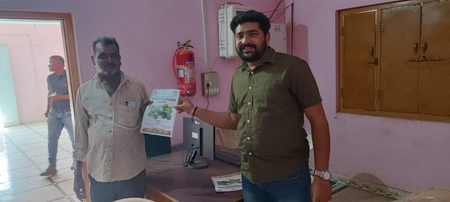
Babubhai Patel, a farmer from Dhansura in Aravalli district, shared his positive experience with the scheme, highlighting how the recommendations helped him reduce input costs and improve crop yields. By following the scientific advice provided through the Soil Health Card, farmers like Babubhai are witnessing tangible benefits in their agricultural practices.
