


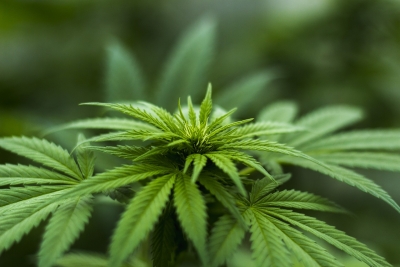
In a bid to reshape Himachal Pradesh’s economy and achieve self-reliance by 2027, Chief Minister Sukhvinder Sukhu has introduced the ‘Green to Gold’ initiative. This initiative aims to shift the state from illegal trade to global leadership in the bio-economy by legalizing and regulating industrial hemp cultivation. Sukhu highlighted the potential of hemp in various industries such as textiles, bio-plastics, cosmetics, and energy, emphasizing its medicinal and economic value.
The government views hemp as a valuable industrial resource capable of producing high-quality goods like eco-friendly textiles and advanced bio-plastics. Sukhu emphasized the importance of regulating hemp cultivation to drive eco-friendly industrial development, particularly in hilly and rural regions like Himachal Pradesh. The policy mandates that all hemp cultivated in the state must have a THC content below 0.3%, ensuring it is non-intoxicating and suitable for industrial use.
The state government plans to implement a pilot project for controlled hemp cultivation following a Cabinet decision on January 24. This shift aims to transform hemp’s image from a narcotic to a valuable resource, potentially generating annual revenues ranging from Rs 1,000 crore to over Rs 2,000 crore. By providing a legal framework, Himachal Pradesh aims to tap into markets dominated by the black market and international imports, especially in pharmaceutical and wellness sectors.
Industrial hemp is considered a climate-resilient crop that requires less water than traditional crops like cotton and can thrive in marginal soils. Premier institutions in the state are conducting pilot studies to develop high-yield, low-THC seed varieties suitable for the Himalayan climate. The government envisions Himachal Pradesh as a manufacturing hub for innovative construction materials like ‘Hempcrete’ and specialized textiles, aiming to boost prosperity and create employment opportunities for the youth.
