


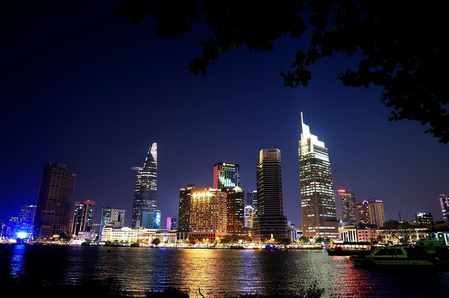
Vietnam’s Ho Chi Minh City has set forth a master plan spanning from 2025 to 2050, aiming to evolve into a leading sustainable and innovative mega-city in the Asia-Pacific region. The city envisions achieving an annual gross regional domestic product growth rate of at least 10% during this period, with a projected total GRDP of around $1.2 trillion by 2050 under favorable conditions.
The plan outlines the city’s ambition to become a key regional hub for various sectors including economy, finance, trade, services, tourism, and technology while emphasizing environmental protection, social equity, and cultural preservation. Ho Chi Minh City plans to adopt a multi-center mega-urban model with modern infrastructure, smart governance, and enhanced climate resilience to enhance residents’ quality of life, aiming for income levels and living standards among the highest in Southeast Asia.
Covering an administrative area of over 6,700 square kilometers, the plan anticipates a population of 20 to 22 million by 2050 and reserves land for future economic development needs. Additionally, the Vietnamese government has greenlit a list of 70 high-priority technologies for investment and development, effective from July 1, 2026, focusing on areas such as artificial intelligence, big data, cloud computing, and renewable energy technologies.
