


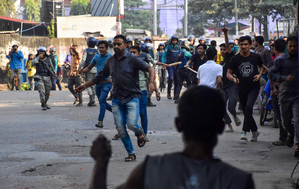
The human rights situation in Bangladesh’s Chattogram Hill Tracts deteriorated in 2025 due to the government’s failure to implement the 1997 CHT Peace Accord, as per the Parbatya Chattagram Jana Samhati Samiti (PCJSS) Annual Human Rights Report. The report highlighted that significant aspects of the accord, including core provisions, have not been enforced even after 28 years, resulting in increased militarization, communal violence, land seizures, and widespread abuses against the indigenous Jumma people, as reported by ‘The Daily Star.’
PCJSS documented 268 cases of human rights violations in 2025, affecting 606 Jumma individuals. The report identified security forces, police, Bangalee settlers, extremist groups, land grabbers, and Rohingya armed factions as the main perpetrators. The PCJSS urged the Yunus administration to promptly implement the 1997 CHT Peace Accord, halt extrajudicial killings and arbitrary detentions, settle land disputes, and ensure justice for victims of communal and sexual violence.
The report disclosed incidents such as eight extrajudicial killings, 193 search operations, 117 arbitrary arrests in villages, and 26 cases of violence against women and children. It also noted the search and vandalism of 43 homes and two Buddhist temples, along with the illegal occupation of over 300 acres of land in 2025. A significant event outlined in the report was the killing of three Marma youths in Khagrachhari’s Guimara during a protest against the rape of a Marma schoolgirl in September.
In December, a prominent human rights organization in Bangladesh highlighted widespread rights violations nationwide, including mob violence, extrajudicial killings, deaths in custody, minority persecution, political violence fatalities, and press freedom suppression. The latest report from Dhaka-based Ain O Salish Kendra (ASK) revealed a surge in “mob terrorism” throughout 2025, with 197 fatalities attributed to mob violence from January to December, compared to 128 in the previous year.
