


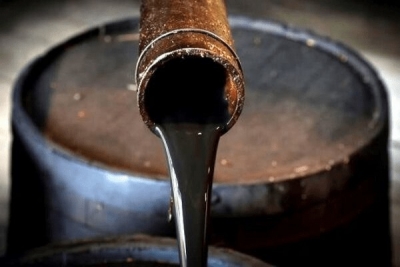
In response to the ongoing West Asia crisis, the International Energy Agency (IEA) has announced the release of 400 million barrels of oil from emergency reserves held by 32 member countries. These emergency stocks will be gradually introduced to the market based on the specific needs of each member nation, alongside additional emergency measures by certain countries. IEA members collectively possess over 1.2 billion barrels of emergency stockpiles, with an additional 600 million barrels of industry stocks under government obligation.
The coordinated release of emergency stocks marks the sixth such action by the IEA since its establishment in 1974. Previous joint initiatives took place in 1991, 2005, 2011, and twice in 2022. The decision to implement this emergency collective action followed an extraordinary meeting of IEA Member governments, called by the IEA Executive Director to evaluate market conditions amidst the Middle East conflict and explore strategies to tackle supply disruptions.
IEA Executive Director Fatih Birol emphasized the unprecedented nature of the challenges faced by the oil market, expressing gratitude for the substantial emergency collective action taken by IEA Member countries. Birol highlighted the global nature of oil markets, underscoring the necessity for a coordinated global response to significant disruptions. He reaffirmed that energy security lies at the core of the IEA’s mission and commended Member countries for their united and resolute approach.
The conflict in the Middle East, which commenced on February 28, has led to disruptions in oil flows through the Strait of Hormuz, resulting in current export levels of crude and refined products being less than 10% of pre-conflict volumes. This situation has compelled operators in the region to either halt or reduce a significant portion of production. The Strait of Hormuz typically facilitates the transit of an average of 20 million barrels per day of crude oil and oil products, representing about a quarter of the world’s seaborne oil trade. However, the IEA noted that alternative routes for oil flows to circumvent the Strait of Hormuz are limited.
