


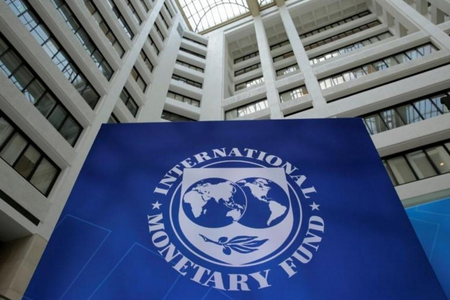
The International Monetary Fund (IMF) has dispatched a team to Sri Lanka to evaluate the country’s economic recovery efforts, especially in light of increased energy costs post the recent Middle East conflict. Julie Kozack, Director of the IMF’s Communications Department, confirmed the mission’s commencement this week, scheduled to conclude by June 30. The team is engaging with government officials and various stakeholders to analyze recent economic developments, focusing on the impact of the Middle East conflict and energy price fluctuations.
The IMF team is also reviewing Sri Lanka’s performance under the ongoing IMF-backed reform program. Kozack mentioned that discussions are underway to assess the country’s economic reform initiatives and their effectiveness. Addressing concerns about potential additional support to counter rising fuel import expenses, Kozack refrained from speculating until the mission’s completion. The IMF is closely monitoring the economic repercussions of the Middle East conflict, particularly on nations heavily reliant on imported energy, emphasizing the vulnerability of economies with limited fiscal reserves to external shocks.
Sri Lanka, grappling with its worst economic crisis in decades, initiated an IMF-supported reform program in 2023 following a sovereign debt default and acute shortages of essential commodities. The program aims to stabilize macroeconomic conditions, bolster foreign exchange reserves, and implement structural reforms. Given the country’s significant dependence on imported petroleum products, global oil price fluctuations significantly impact inflation, fiscal strategies, and external financing. The current IMF mission seeks to evaluate Sri Lanka’s progress in reforms and its resilience against recent geopolitical and energy market disturbances.
