


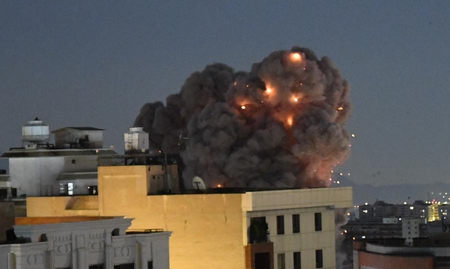
War in the Middle East is causing concerns for global growth and inflation, according to IMF officials. The International Monetary Fund has highlighted the significant uncertainty created by the conflict, leading to a reevaluation of economic forecasts. This situation is impacting various regions, with disruptions in energy markets and trade flows.
The conflict’s effects are already visible in the Middle East and neighboring areas, with some countries experiencing output below pre-war levels in the short and medium terms. Oil exporters are facing production and export disruptions, while import-dependent economies are grappling with increased energy and food costs, affecting purchasing power and public finances.
Pakistan’s Finance Minister Mohammad Aurangzeb emphasized the challenge of securing energy supplies amidst lengthened shipping times and rising costs. The government initially shielded consumers from price hikes but has now shifted to targeted subsidies to address fiscal pressures, focusing on transport, small farmers, and vulnerable groups.
Market reactions suggest a supply-driven shock rather than financial panic, with both equities and bonds weakening simultaneously. BlackRock estimates a potential 20 to 30 basis points reduction in global growth due to the conflict, with Europe expected to be more affected than the United States, which may be relatively insulated by domestic energy dynamics.
Energy markets are strained, with significant oil supply losses and disruptions in gas supplies, including key liquefied natural gas exports. The crisis is anticipated to prompt policy changes, such as diversifying energy sources, expanding reserves, and potentially increasing investments in renewables and nuclear power to mitigate future risks.
The global economy, which demonstrated resilience in the past year, is now facing geopolitical shocks, particularly in energy and supply chains, posing a significant risk to the economic outlook.
