


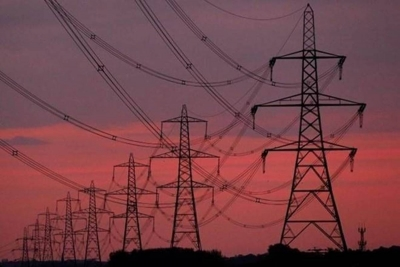
India’s current installed power generation capacity is 513.730 GW, with an additional 289.607 GW added since April 2014, addressing power deficiency effectively. Minister of State for Power, Shripad Naik, stated that the country met a record maximum demand of 250 GW last year, marking a significant milestone. The gap between ‘Energy Supplied’ and ‘Energy Requirement’ has reduced to ‘NIL’ in the current year, showcasing improved energy management.
According to the National Electricity Plan (NEP), the installed generation capacity is projected to reach 874 GW by 2031-32, emphasizing the country’s focus on enhancing power infrastructure. States have developed dynamic 10-year rolling plans, known as “Resource Adequacy Plans (RAPs),” in collaboration with CEA to ensure sufficient power generation and procurement. The Ministry of Power aims to establish an additional minimum of 97,000 MW coal and lignite-based thermal capacity to meet future demands.
Significant progress has been made in commissioning thermal capacities, with around 17,360 MW already operational since April 2023. Additionally, 39,545 MW of thermal capacity, including stressed projects, is currently under construction, reflecting ongoing efforts to bolster power generation. The development of hydroelectric and nuclear projects is also underway, with targeted completion dates set for the coming years.
Renewable energy forms a crucial part of India’s power expansion strategy, with substantial capacities under construction and in planning stages. Notably, 1,57,800 MW of renewable capacity, including solar, wind, and hybrid power, is being developed to enhance the country’s clean energy portfolio. The government’s proactive approach towards diversifying the energy mix underscores its commitment to sustainable power generation.
