


India’s strategic location between the eastern and western hemispheres gives it a natural advantage to emerge as a global transit hub, as highlighted by Civil Aviation Minister Ram Mohan Naidu. The country has devised this strategy following extensive discussions with stakeholders. Naidu expressed gratitude to Home Minister Amit Shah for his active support in advancing the proposal.
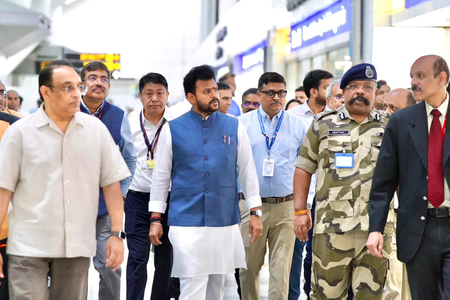
Chairing a high-level meeting with key stakeholders at Delhi Airport, Naidu reviewed the readiness for hub-and-spoke operations. The National Civil Aviation Policy (NCAP) 2016, crafted under Prime Minister Narendra Modi’s leadership, aims to position India as a preferred aviation hub for Indian passengers by 2030 and globally by 2047. The government has introduced an International Aviation Hub Strategy, implementing various measures to achieve this goal.
The hub-and-spoke model, emphasized by the Minister, will facilitate seamless connectivity between Tier-II and Tier-III airports established under PM Modi’s UDAN scheme and international destinations. This model not only reduces travel time for passengers but also optimizes the utilization of existing infrastructure nationwide. The aim is to enhance Indian hubs like Delhi, Mumbai, Bangalore, Hyderabad, Kolkata, and Chennai to compete globally with hubs like Dubai, London, and Singapore.
Delhi Airport, with a capacity of over 100 million passengers annually and managing around 50,000 daily transfers, plays a crucial role in this strategy. The hub-and-spoke approach signifies a transformation in India’s aviation sector, transitioning from a destination market to a global transit hub. This shift aims to capture a significant portion of transfer traffic currently routed through foreign hubs, enhancing the competitiveness of Indian airports.
