


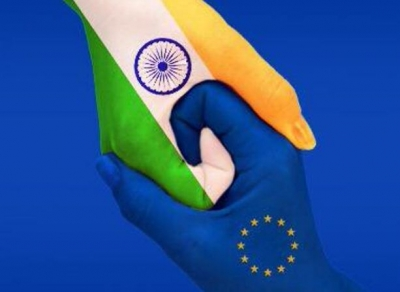
India and the European Union have finalized their Free Trade Agreement to expand market opportunities amidst global trade uncertainties and geopolitical shifts following Donald Trump’s presidency. Trade agreements now serve as strategic tools beyond tariff reduction, fostering trusted economic ties through regulatory cooperation. The agreement addresses pharmaceutical tariffs, aiming to enhance market access by aligning approval processes within the EU and India.
The pact also navigates the EU’s Carbon Border Adjustment Mechanism (CBAM), impacting Indian steel and aluminum exports. While the FTA engages with CBAM terms, its actual relief for Indian industries remains uncertain. Trade agreements increasingly drive domestic reforms, with India focusing on industrial decarbonization and the EU streamlining CBAM structures for effective cooperation.
With a comprehensive framework spanning various sectors, the agreement emphasizes cooperation, transparency, and regulatory alignment. It underscores the importance of systems working together across industries like medical technology, clean energy, and digital services. For India, the deal offers more than market access, providing avenues for capital infusion, technology transfer, and research collaboration to boost internal competitiveness and regulatory advancements.
The agreement signifies the EU’s acknowledgment of India as a crucial partner beyond being an emerging market or a counterbalance to China. Europe recognizes India’s significance in areas like carbon reduction, standards alignment, and supply chain resilience. This agreement marks a pivotal moment in EU-India relations, positioning India as an equal partner in addressing global challenges and fostering mutual growth.
