


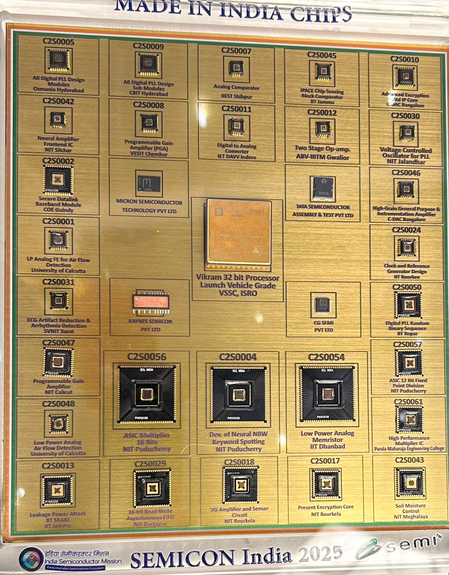
In the competition for critical mineral supply chains crucial for advancing AI projects, New Delhi is contemplating aligning with Pax Silica, a US-led initiative. This move aims to enhance collaborations with advanced economies, attract investments, and strengthen supply chain resilience. India, however, prioritizes maintaining its strategic autonomy while engaging with Pax Silica.
The Pax Silica initiative involves a coalition of nations closely linked to semiconductor manufacturing and advanced technology supply chains. Members include Singapore, Israel, Japan, South Korea, Australia, and the United Kingdom. This collaboration addresses vulnerabilities stemming from overly concentrated supply chains supporting various sectors like consumer electronics, automobiles, and advanced AI systems.
Given India’s status as a developing market, New Delhi is expected to negotiate for policy flexibility concerning subsidies, procurement preferences, and import regulations that may differ from those of other Pax Silica participants. India has been actively working with countries like Japan and Singapore to fortify semiconductor supply chains.
During his initial visit to New Delhi, Sergio Gor, the new American Ambassador to India, announced India’s full membership in Pax Silica. This partnership, led by the US, focuses on advanced technology supply chains. India’s inclusion was seen as a significant gesture, especially considering its pivotal role in the global AI competition.
Ashwini Vaishnaw, the Electronics and IT Minister, recently emphasized India’s ambition to become a key player across the entire electronics spectrum, including design, manufacturing, operating systems, applications, materials, and equipment. He highlighted plans for four semiconductor plants to commence commercial operations this year.
