


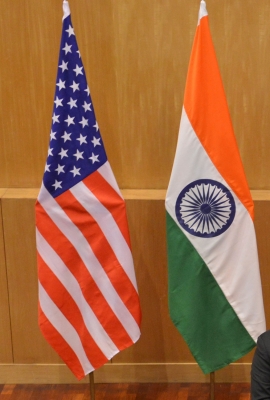
India presented a robust defense of its legal, regulatory, and corporate measures against forced labor to the US Trade Representative. The country’s representatives highlighted existing institutions, laws, and industry compliance systems that align with Washington’s objectives. India’s framework integrates constitutional protections, labor legislation, regulatory oversight, and private-sector compliance with global standards.
The Indian delegation emphasized the constitutional prohibition of forced and bonded labor under Article 23, backed by relevant laws and international conventions. Industry stakeholders underscored India’s corporate governance advancements, including mandatory reporting on human rights and supply chain assessments for top companies. Indian exporters to the US adhere to compliance standards set by American buyers and multinational firms, encompassing audits, ethical sourcing, and grievance mechanisms.
Indian industry bodies provided sector-specific examples of compliance efforts, such as human rights due diligence by aluminum companies and stringent labor legislation adherence in foundry and forging industries. Agricultural exports to the US undergo strict scrutiny, with rice exports restricted to approved mills meeting labor standards. Indian representatives argued that the proposed tariff would not enhance labor protections, advocating for dialogue and collaboration to combat forced labor globally.
