


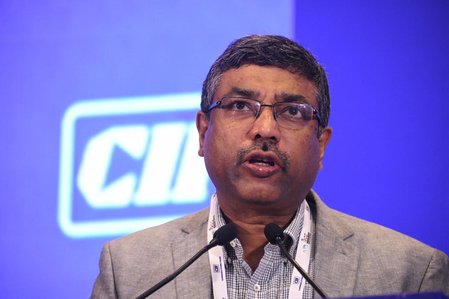
India is working on a regulatory framework for artificial intelligence (AI) that aims to strike a balance between innovation and necessary protections. Electronics and Information Technology Secretary S Krishnan highlighted the importance of learning from approaches taken by the US, the European Union, and other global forums in regulating AI. As AI technologies progress worldwide, governments are exploring ways to regulate powerful AI models without impeding technological advancements.
The country is also enhancing its AI ecosystem through initiatives like the IndiaAI Mission, bolstering public computing infrastructure, and promoting homegrown AI development. Krishnan emphasized the growing consensus globally that AI cannot remain unregulated. He mentioned the shift in the US stance, which initially opposed AI regulation but is now regulating access to specific advanced models, indicating an evolving perspective on AI governance.
India is closely observing how different regions are handling AI governance to ensure that its own regulatory framework is proportionate, practical, and future-proof. Krishnan emphasized the need for a well-calibrated set of rules that provide necessary safeguards for AI platforms without stifling innovation. Designing AI regulations poses challenges due to the rapid pace of technological evolution, requiring a delicate balance between legal frameworks and technological advancements.
The Electronics and IT Secretary highlighted India’s active involvement in international discussions on AI governance, engaging with entities like the European Union and the US-led Pax Silica initiative. These discussions cover various aspects such as AI infrastructure, computing resource accessibility, and responsible AI development. India aims to create a unique regulatory framework that addresses risks associated with cutting-edge AI models while offering flexibility for startups, research institutions, and innovation-driven businesses.
