


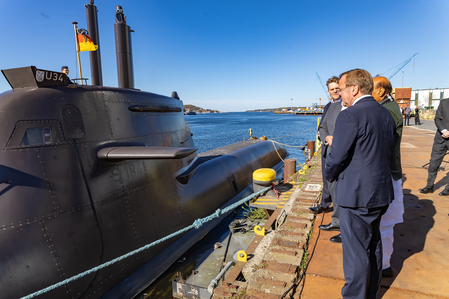
The India-Germany submarine partnership goes beyond a typical defense procurement agreement, encompassing shared strategic interests, industrial collaboration, and regional security concerns in the evolving Asian power dynamics. India aims for greater naval self-reliance and enhanced deterrence against regional threats, while Germany sees an opportunity to extend its strategic influence beyond Europe and become a key security ally in the Indo-Pacific. The partnership involves building Type 214 submarines at Mumbai’s Mazagon Dock Shipyard by Indian engineers trained by German experts, emphasizing technology transfer as a crucial element.
The agreement signifies India’s drive to boost domestic expertise, strengthen indigenous shipbuilding capabilities, and reduce reliance on foreign defense suppliers. However, for Germany, sharing advanced submarine technology raises challenges related to intellectual property, industrial secrets, and national security considerations. The final agreement’s structure will depend on technology transfers, production responsibilities allocation, and the level of access granted to Indian engineers for sensitive systems, shaping the long-term strategic partnership between the two nations.
Defense analysts highlight that such technology-sharing pacts are not just about military acquisitions but lay the foundation for enduring strategic alliances. These collaborations foster political trust, economic interdependence, and deeper diplomatic alignment between nations. Berlin views supporting India’s naval modernization as a chance to establish a stronger presence in a strategically vital region, while New Delhi anticipates improved deterrence, job creation, and accelerated growth in its defense-industrial sector. The partnership holds the potential for mutual benefits that could span decades, offering both sides strategic advantages in the long run.
