


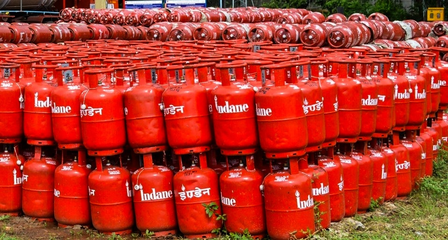
Even with a recent Rs 60 hike in domestic LPG prices, India still offers some of the most affordable LPG cylinder rates in the region. Compared to neighboring countries like Pakistan, Sri Lanka, and Nepal, cooking gas prices in India remain notably lower. In Delhi, the current price for a 14.2 kg LPG cylinder under the Pradhan Mantri Ujjwala Yojana stands at around Rs 613 as of March 2026.
The price difference is significant, with the same cylinder costing approximately Rs 1,046 in Pakistan, about Rs 1,241 in Sri Lanka, and roughly Rs 1,207 in Nepal. This pricing strategy reflects the government’s commitment to ensuring that cooking fuel remains accessible to households, despite global energy price fluctuations. The recent Rs 60 increase in domestic LPG rates may seem burdensome to consumers, but it is essential to consider this adjustment in the context of global LPG price variations and India’s reliance on imports.
India imports over 60% of its LPG needs, with domestic prices tied to international benchmarks such as the Saudi Contract Price. Notably, international LPG prices have experienced significant fluctuations in recent years. Despite the surge in global prices, the government has shielded domestic consumers from the full impact. To support this initiative, oil marketing companies received around Rs 22,000 crore in compensation in the financial year 2022-23 to offset losses incurred from selling LPG below international rates.
In the same vein, these companies absorbed substantial losses in 2024-25, estimated at about Rs 40,000 crore, with the government sanctioning Rs 30,000 crore in compensation to ensure uninterrupted supply. Even after the recent price adjustment, domestic LPG cylinders are still being retailed below market-linked prices. In March 2026, the market-determined price for a 14.2 kg cylinder in Delhi was approximately Rs 987, while consumers paid around Rs 853, which is nearly Rs 134 less than the market rate. Although calculations indicated a need for a Rs 134 increase per cylinder, the government approved only a Rs 60 raise, absorbing the remaining cost to safeguard consumers.
