


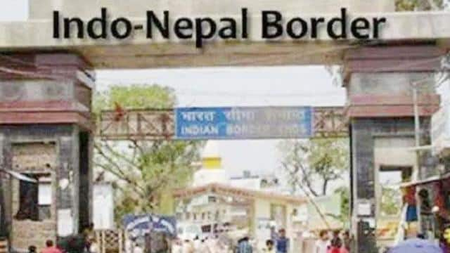
Strengthening business linkages and sustained investment flows between India and Nepal are anticipated to propel bilateral trade to new heights by 2030. India currently represents over 64% of Nepal’s total trade, with the total bilateral trade hitting around USD 8.7 billion in FY 2024–25. This solidifies India’s position as Nepal’s largest trading partner by a significant margin.
India’s exports to Nepal, valued at about USD 7.4 billion, are primarily composed of petroleum products, machinery, vehicles, pharmaceuticals, food items, and construction materials crucial for Nepal’s consumption and infrastructure. On the other hand, Nepal’s exports to India, nearly USD 1.3 billion, consist mainly of electricity, agricultural products, iron and steel items, and manufactured goods. This trade structure indicates substantial economic integration and potential for diversification in Nepal’s export basket.
The trajectory of trade is expected to witness a significant upsurge in the next five years, with bilateral trade projected to double. Indian companies are the leading source of foreign direct investment in Nepal, contributing around 30–35% of Nepal’s total FDI stock. With cumulative Indian investments estimated at USD 750–800 million, these ventures span various sectors such as hydropower, manufacturing, banking, insurance, telecommunications, cement, tourism, education, and hospitality.
Indian investments have played a pivotal role in Nepal’s industrialization and services-sector expansion. They have significantly impacted sectors like hydropower, manufacturing, banking, insurance, and tourism, fostering employment generation, skill development, and local value addition. The broader development partnership initiatives by India further support infrastructure development, cross-border connectivity, and capacity building, enhancing economic integration between the two nations.
Energy cooperation has emerged as a transformative aspect of India–Nepal relations, with Nepal transitioning from a net importer to a growing exporter of electricity. Nepal’s vast hydropower potential, estimated at over 40,000 MW, has enabled it to export electricity, with agreements in place to export up to 10,000 MW to India over the next decade. This energy partnership not only benefits Nepal’s export revenue but also supports India’s clean energy goals and regional grid stability.
