


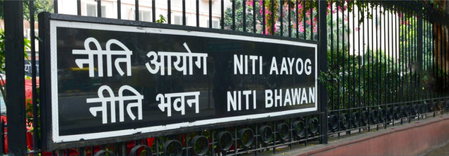
India has the potential to boost its presence in the global sports goods market, aiming to export equipment worth $8.1 billion and create millions of jobs by 2036. A study by NITI Aayog emphasized the opportunity for India to generate up to 5.4 million additional jobs, particularly in micro, small, and medium enterprise (MSME) clusters. The report titled “Unlocking India’s Export Potential in Sports Goods Manufacturing” highlighted the country’s pivotal position.
Shifts in global supply chains, upcoming major international sporting events, and increased policy support are paving the way for India to enhance exports and reduce import reliance. To achieve this, India needs to address structural cost disadvantages, enhance partnerships with global brands, upgrade manufacturing capabilities, and improve market access and branding. The aim is to transform India’s sports goods industry into a competitive global export sector.
The report stressed the importance of coordinated policy actions and close collaboration among the government, industry stakeholders, and sports institutions. Consistent implementation is crucial to tackle longstanding challenges in the sector. Currently, the global sports goods market is valued at about $140 billion and is projected to reach nearly $283 billion by 2036. Fitness and strength equipment hold the largest market share at 33%, followed by ball game equipment like footballs at 32%.
Athletic training gear and racket or net-based sports equipment also play a significant role in the market. Global sports goods exports reached around $52 billion in 2024, with a growth rate of 2.4% annually. Categories such as gym and athletic equipment, bicycles, leg pads, nets, bats, and golf gear dominate exports. Despite this, India’s share in global sports goods exports is currently small, standing at just 0.5%.
In 2024, India exported sports equipment worth $275 million, driven mainly by cricket gear, fitness equipment, and inflatable balls.
