


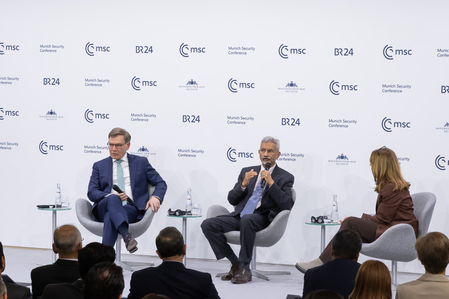
India has reiterated its commitment to “strategic autonomy” in determining its energy choices, emphasizing factors like availability, cost, and risk. This stance follows US pressure over New Delhi’s Russian oil purchases amidst sanctions on Moscow’s energy sector. External Affairs Minister S. Jaishankar, at the Munich Security Conference, dismissed claims that recent India-US trade agreements would compromise this autonomy.
President Trump and Senator Rubio alleged that India had agreed to reduce Russian oil imports, but Jaishankar affirmed India’s independent foreign policy approach. He highlighted the complexity of the global oil market, stating that decisions are made based on national interests and market dynamics. Despite US assertions, India has neither confirmed nor denied halting additional Russian crude imports.
Jaishankar’s remarks underscore India’s commitment to making sovereign decisions, even if they diverge from others’ expectations. The country’s historical adherence to strategic autonomy remains a cornerstone of its foreign policy, including in energy procurement. India’s stance reflects a nuanced approach to balancing international relations with its national interests.
