


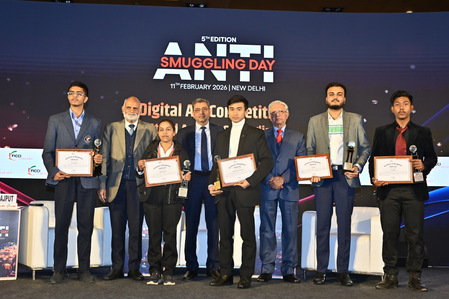
India has enhanced its global enforcement efforts against smuggling by signing 42 mutual customs cooperation agreements, with 21 more in negotiation with key trading partners, experts revealed. Mohan Kumar Singh from the Central Board of Indirect Taxes and Customs emphasized the need for enforcement to transition from event-based seizures to disrupting networks that support illicit activities. Singh highlighted the shift towards targeting financial flows, logistics facilitators, and international connections that sustain illegal operations.
Singh underscored that smuggling has transformed into an organized, technology-driven economic offense with significant implications for national security and economic stability. He pointed out that recent Union Budget measures, such as AI-powered image analytics and expanded container scanning at major ports, will further enhance enforcement capabilities. Additionally, GST simplification and customs reforms aim to boost compliance and deter illicit trade by reducing incentives.
The intensified enforcement efforts in the initial three quarters of the current fiscal year yielded notable results, including seizures of approximately 500 kilograms of gold, nearly 150 million illicit cigarettes, over 20 metric tonnes of red sanders, and around 120 kilograms of cocaine. Moreover, significant amounts of heroin, amphetamines, and hydroponic cannabis were confiscated at airports. Singh emphasized that modern smuggling syndicates are versatile and technology-savvy, blending traditional concealment methods with digital anonymity and complex financial maneuvers.
Customs, as the primary defense at the nation’s borders, employs risk-based inspections, advanced cargo screening, non-intrusive examination systems, and AI-driven analytics to identify suspicious shipments before they enter the domestic market, Singh added. Anil Rajput, Chairman of FICCI CASCADE, stressed the importance of robust partnerships among compliant nations to foster legal trade, share intelligence, and effectively penalize illicit operators. He highlighted the necessity for intelligence-led enforcement, financial probes, coordinated inter-agency actions, and international cooperation to combat evolving smuggling tactics.
