


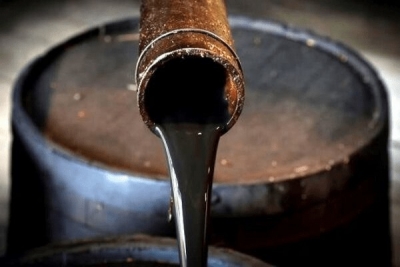
Indian oil marketing companies are expected to handle average crude prices of up to around $90 per barrel in the medium term, as per a report. The report highlights concerns over global energy supply routes due to escalating tensions in West Asia. The Strait of Hormuz, a critical chokepoint for global energy flows, has seen a surge in crude prices, affecting oil and LNG supplies.
The report notes that about 20.8 million barrels per day of oil and petroleum products pass through the Strait of Hormuz. India, heavily reliant on the route for crude oil imports, faces energy logistics vulnerabilities. However, the country’s diversified sourcing strategy helps cushion risks arising from disruptions in the region.
While India still heavily depends on West Asian countries for petroleum crude and product imports, it has increased purchases from other suppliers like the United States and Russia. With India importing about 5.5–6 million barrels of crude oil per day, a $10 rise in crude prices could potentially increase the country’s import bill by around $20 billion.
The conflict in West Asia could impact India through various channels, including potential shipping disruptions affecting trade flows. The report also mentions the possibility of macroeconomic effects if global financial markets shift towards safe-haven assets like the US dollar, which could put pressure on emerging market currencies such as the Indian rupee.
Despite these external risks, India’s forex reserves are considered sufficient to withstand shocks, although some market volatility may occur. In a scenario where crude prices remain above $100 per barrel for an extended period, India’s economic growth could face a slight impact. However, the country’s diversified energy sourcing and stable macroeconomic buffers provide support for the overall economic outlook.
