


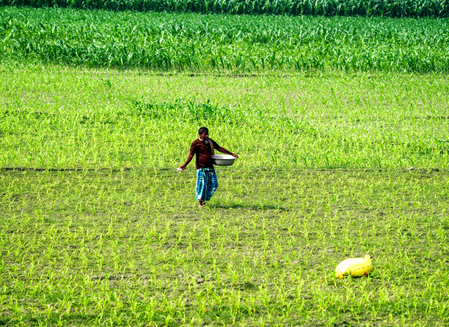
The Gross Value Added (GVA) in India’s agriculture and allied sector, encompassing crops, livestock, fisheries, and horticulture, grew by 10.4% in 2024-25. Minister of State for Agriculture and Farmers Welfare Ramnath Thakur informed the Lok Sabha that the total foodgrain production for the same period reached a record 3,577.32 lakh metric tonnes, marking a 7.65% increase from the previous year.
The government is actively examining various factors influencing agricultural growth, such as farm incomes, input costs, climate variability, irrigation coverage, and market linkages. This assessment is conducted through studies, field-level visits, and high-level reviews to ensure continuous progress in the sector.
To boost farmers’ incomes and foster comprehensive agricultural growth, the government is implementing an integrated strategy. This strategy focuses on increasing crop production, reducing production costs, and ensuring better price realization for farmers’ produce. Additionally, it emphasizes agricultural diversification, post-harvest value addition, climate change adaptation, and measures to mitigate crop losses.
The Department of Agriculture & Farmers Welfare has witnessed a substantial increase in budget allocation, rising from Rs 21,933.50 crore in 2013-14 to Rs 1,27,290.16 crore in 2025-26. Moreover, minimum support prices (MSPs) for all mandated crops have been raised, ensuring a minimum return of 50% over the average cost of production since 2018-19.
