


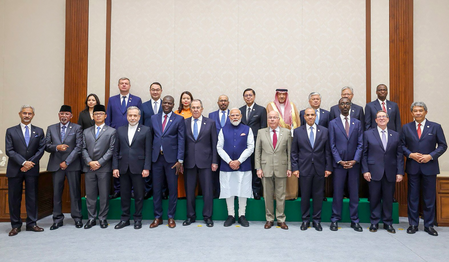
India’s handling of the recent BRICS Foreign Ministers’ Meeting in New Delhi has been commended as a practical model amidst global power dynamics. While major powers like the US and China often fuel conflicts among smaller nations, India’s approach focuses on constructive engagement and managing contradictions. The meeting, chaired by India on May 14–15, ended without a joint statement for the first time in BRICS history, reflecting differing views among members.
China’s absence from the BRICS meeting, as it engaged with the US in Beijing, left India to navigate regional tensions within the bloc. The 2024 expansion of BRICS, led by China, included Iran and the UAE as full members despite their rivalries and conflicts. This move was seen as prioritizing Chinese interests over group cohesion, impacting BRICS’ unity.
Amid internal divisions within BRICS, China’s separate engagements with the US highlighted its strategic approach to global relations. By advancing its geopolitical agenda independently, China’s actions sometimes diverted attention from BRICS’ collective leadership role. The events underscored China’s ability to manage relationships on its terms, potentially affecting the group’s unity and focus on shared goals.
