


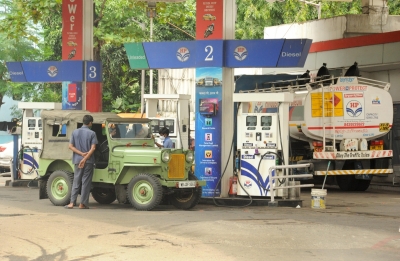
India’s energy security remains stable with 25 days of crude oil and product reserves, including in-transit quantities, ensuring a comfortable position, as per government sources. Despite disruptions in Middle Eastern supplies due to the Iran war, India has diversified its oil sources by increasing imports from Africa, Russia, and the US, bolstering resilience through strategic reserves. Oil marketing companies in India, such as Indian Oil, Bharat Petroleum, and Hindustan Petroleum, have ample supplies and continue to receive energy from various routes.
The government’s directive to halt petroleum product exports aims to further boost buffer stocks, enhancing the country’s energy security. Over the years, India has reduced its reliance on Gulf countries for oil imports, with a senior official noting that a significant portion of supplies no longer passes through the Strait of Hormuz. India’s strategic oil storage capacities include facilities in Pudur, Visakhapatnam, Mangaluru, and a new reserve being constructed at Chandikhol, providing emergency fallback options.
In times of crisis or surging global prices, these strategic reserves play a crucial role in stabilizing the national oil sector. However, the recent spike in global oil prices, with Brent surpassing $80 per barrel post the Iran crisis, poses immediate challenges. The rise in oil prices impacts India’s import bills, inflation rates, and economic growth. Notably, India spent $137 billion on crude oil imports in the previous financial year, with $100.4 billion spent on 206.3 million tonnes of crude oil in the first ten months of the current fiscal year.
