


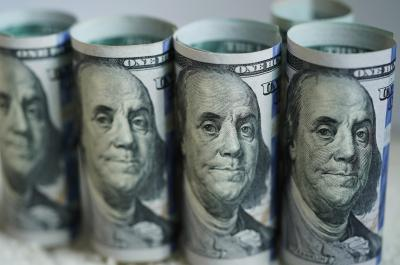
India’s foreign exchange reserves saw a $2.3 billion rise in the week ending April 17, reaching $703.30 billion as reported by the Reserve Bank of India. This increase follows a period of pressure on the reserves due to external factors and currency market interventions. Previously, the reserves had hit a record high of $728.494 billion by the end of February 2026, but faced a reversal due to the Middle East conflict.
The country’s gold reserves also surged, surpassing $100 billion to $122.13, with a notable increase of $79 million. Special Drawing Rights (SDRs) slightly increased to $18.84 billion, while India’s reserve position with the IMF climbed by $14 million to $48.70 billion. Global uncertainty and capital outflows had impacted the rupee, leading the central bank to intervene by selling dollars to stabilize the currency amidst the West Asia conflict.
Despite recent pressures, the latest rise in reserves indicates a potential relief, although they remain below the peak seen in late February. India’s management of external shocks and currency stability in a volatile global economic landscape is reflected in the movement of forex reserves. The country’s foreign exchange reserves had also increased by $3.825 billion in the week ending April 10, continuing a recovery trend from the previous week’s rise to $697.121 billion.
Foreign exchange reserves play a vital role in maintaining economic stability, enabling the central bank to handle currency fluctuations and facilitate smooth external trade. A strong reserve position empowers the RBI to intervene in the currency market, supporting the rupee during volatile periods and indicating sustained foreign currency inflows into the economy.
