


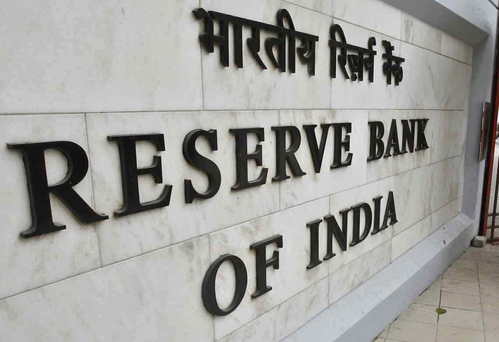
India’s foreign exchange reserves rose by $392 million to $687 billion in the week ending January 9, as per the Reserve Bank of India (RBI). The value of gold reserves, a significant part of the foreign exchange reserves, also surged by $1.56 billion to $112.83 billion during the same period. The spike in gold reserves is attributed to the notable increase in global gold prices, which rose by around 2.5% in the past week and approximately 5.5% in the last month.
The largest component of the foreign exchange reserves, Foreign Currency Assets (FCA), saw a decline of $1.12 billion to $550.86 billion. FCA comprises major world currencies like the dollar, yen, euro, and pound, with their values denominated in dollars. Additionally, the value of Special Drawing Rights (SDRs) dropped by $39 million to $18.73 billion, and the reserve position in the IMF decreased by $13 million to $4.758 billion by January 9, as stated by the RBI.
Foreign exchange reserves are crucial indicators of a country’s economic health and are pivotal in stabilizing exchange rates. These reserves enable the Central Bank to intervene in currency markets to prevent excessive depreciation of the domestic currency against the dollar, ensuring exchange rate stability. Moreover, the accumulation of foreign exchange reserves reflects a robust economy with increased dollar inflows, facilitating smoother international trade operations.
