


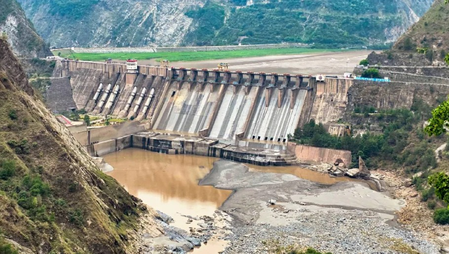
India’s decision to suspend the Indus Water Treaty (IWT) following the Pahalgam terror attack by Pakistan-backed terrorists is aimed at pressuring Islamabad, not the Pakistani people, as per a report. The report highlights that Pakistan’s actions have endorsed terrorism, jeopardizing security in a vast region from Central Asia to South Asia and beyond.
The ‘International Centre for Peace Studies’ report emphasizes Pakistan’s provocative rhetoric and support for cross-border terrorism, which have undermined the IWT’s spirit. Recent statements from Pakistani officials, including threats related to water usage, have escalated tensions between the two nations.
The report underscores the historical context of the IWT, signed in 1960 under different circumstances, and India’s goodwill in upholding the treaty despite conflicts with Pakistan. It notes the unequal water allocation under the treaty, with Pakistan receiving the majority share despite India’s larger basin area.
India, as the upper riparian state, has faced economic losses due to the treaty’s terms, impacting sectors like agriculture, hydropower, and infrastructure development. The decision to hold the treaty in abeyance is linked to Pakistan’s support for cross-border terrorism, with India indicating a potential reinstatement if such activities cease.
