


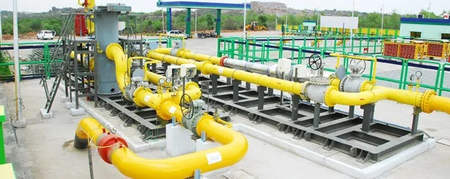
India’s natural gas consumption is projected to increase by 3-4% year-on-year in FY27, following a period of moderation in FY26. This growth is anticipated to be driven by reduced offtake from sectors such as fertilizers, power, and refineries, as indicated in a recent report from ICRA. The report highlights a forthcoming rebound in the following year, propelled by industrial offtake recovery and the continuous expansion of the City Gas Distribution network, positioning natural gas as a significant element in India’s evolving energy landscape.
According to Varun Gogia, Assistant Vice President and Sector Head at ICRA, the country’s natural gas consumption is poised for growth, supported by increased offtake from the refining, fertilizer, and city gas distribution sectors. The report also forecasts that crude oil prices are expected to average $60-$70 per barrel in FY27, attributed to subdued global demand growth amidst rising supplies. This scenario is likely to maintain the profitability and capital expenditure plans of domestic crude producers, with a projected 1-2% increase in petroleum product consumption.
Gogia further mentioned that Singapore GRMs are anticipated to range between $4-$5 per barrel, with healthy marketing margins on retail sales of auto fuels expected due to stable crude prices. Additionally, a reduction in under-recoveries in domestic LPG is foreseen. Global LNG prices have softened due to expectations of warmer winters in key regions and healthy inventory levels. Moreover, upcoming LNG capacity additions globally are anticipated to lead to price moderation from 2027 onwards.
The report also suggests that domestic gas prices are likely to ease in tandem with softening crude oil prices. Capital expenditure intensity within the sector is expected to remain high over the next three years, driven by continuous investments in CGD infrastructure, gas pipelines, and petrochemical capacities. Consequently, the industry’s debt levels are projected to rise to around Rs. 300 billion by March 31, 2026, while maintaining healthy debt metrics.
