


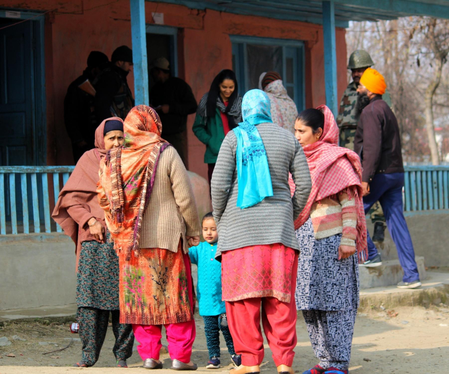
India, with a population of over 700 million women and girls, has focused on improving their status since gaining independence. The country’s Constitution established principles of equality, ensuring equal rights and opportunities for women. Legal reforms and government initiatives have led to advancements in education, health, economic participation, and political representation over the past few decades.
Key legislative measures, such as the Dowry Prohibition Act, Protection of Women from Domestic Violence Act, and others, have been enforced to protect women’s rights. The Constitution amendments have mandated one-third reservation for women in Panchayats and Municipalities, resulting in more than 1.4 million women serving as elected representatives at the grassroots level.
Efforts in education have shown progress, with female literacy rates increasing significantly. Initiatives like Sarva Shiksha Abhiyan and Beti Bachao Beti Padhao have played a crucial role in enhancing women’s education. Health outcomes have also improved, with a notable decline in the Maternal Mortality Ratio over the years.
Financial inclusion initiatives, including Pradhan Mantri Jan Dhan Yojana, have contributed to empowering women economically. The focus on legal safeguards, targeted schemes, and grassroots reservations has led to a shift towards women’s empowerment in various sectors. Continued investment in education, skilling, safety measures, and effective implementation of the Women’s Reservation Act are essential for further progress.
