


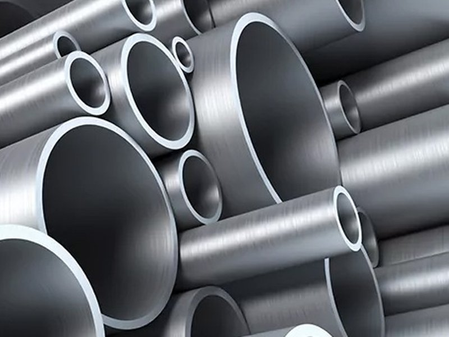
India’s per-capita steel consumption, currently at around 90 kilograms per person annually, is significantly lower than the global average, indicating substantial room for growth, as per a recent report. In comparison to China’s peak per-capita steel intensity of 600 kilograms during its construction boom, India has considerable potential for expansion. This growth is expected to be primarily fueled by investments in railways, highways, urban transit systems, and renewable energy infrastructure, according to the report by Vietnam Times.
The report emphasizes that these investments are boosting demand across various steel categories, ranging from construction-grade long products to flat steel used in industrial applications. Unlike China’s past property-focused boom, India’s steel demand structure is more diversified, with growth spread across infrastructure, manufacturing, and energy transition sectors. The report highlights that major mining companies like BHP and Rio Tinto see India as a key driver of the next phase of steel industry growth due to its diversified demand base.
India’s steel sector primarily relies on blast furnace technology, using iron ore and metallurgical coal as primary raw materials, rather than the scrap-fed electric arc furnaces. This composition benefits iron ore exporters, as blast furnace steelmaking requires significant ore inputs per tonne of finished steel, making India an attractive demand source for Australian and Brazilian iron ore producers. The report also mentions that Southeast Asia is expected to witness a doubling of collective steel demand over the next decade due to rapid industrialization across the region.
Unlike China’s concentrated demand pattern, the growth in the Association of Southeast Asian Nations (ASEAN) region is spread across various jurisdictions with diverse demand profiles, reducing concentration risks for iron ore exporters and creating a more varied customer base. Iron ore miners have highlighted sustained foreign direct investment (FDI) as a key indicator for regional steel demand growth.
