


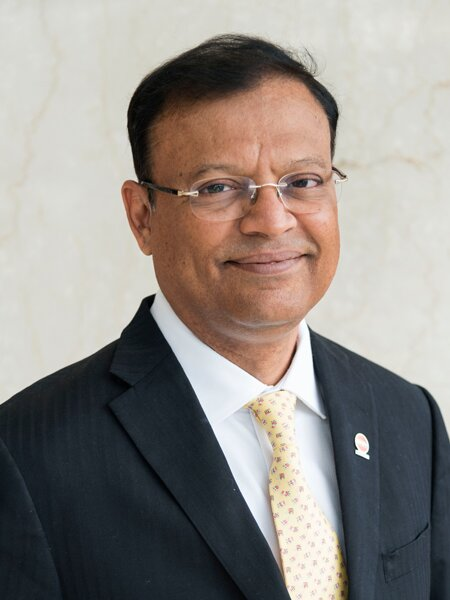
India’s ability to swiftly diversify crude oil imports and avert a major fuel crisis during the recent Strait of Hormuz conflict was not a spontaneous reaction but the result of years of strategic infrastructure development and global energy partnerships, according to former Indian Oil Corporation Limited (IOCL) Chairman B. Ashok. Ashok emphasized that this rapid adjustment was a product of long-term planning that bolstered the nation’s energy security.
Before the conflict, approximately 45% of India’s crude oil imports traversed the Strait of Hormuz, with the remaining 55% originating from other regions. Following the disruption, India promptly escalated the proportion of crude sourced from regions outside the Strait to 70%, significantly diminishing its exposure to the conflict zone.
India has progressively broadened its supplier base over the last decade, importing crude oil from 41 countries in 2026 compared to 27 countries a decade ago. This diversification necessitated sustained diplomatic engagement, commercial partnerships, and the capacity to navigate diverse legal and regulatory frameworks, as highlighted by Ashok.
Refinery modernization has also been pivotal. Unlike older refineries tailored for processing crude from a single source, modern Indian refineries have been updated to handle various grades of crude oil with differing API gravity and sulphur content, ensuring enhanced operational flexibility during supply disruptions.
Logistics preparedness emerged as another critical element. Indian ports and supply chains have been reinforced to manage different classes of crude carriers, including Very Large Crude Carriers, while handling significantly varied shipping durations ranging from around five days from the Middle East to nearly a month from the Americas. Ashok underscored that the industry has established crucial reliability mechanisms over time to navigate these logistical transitions, empowering India to effectively address crises.
Long-term investments in refining capacity and energy infrastructure were also acknowledged by Ashok for guaranteeing uninterrupted fuel supplies for India amid global geopolitical tensions, underscoring the significance of sustained planning in safeguarding the nation’s energy security.
