


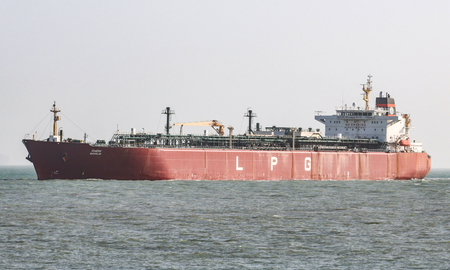
With ongoing conflict in the Middle East, India faces significant exposure as one of the major economies heavily reliant on oil, gas, and fertilizers from the Persian Gulf. A substantial portion of India’s crude oil imports, LNG, and LPG pass through the critical Strait of Hormuz, making any disruption detrimental to sectors like fertilizer production, power generation, and fuel availability.
India has actively pursued diplomatic measures to protect its interests amidst the turmoil in the region. Notably, through diplomatic engagements, India secured safe passage for Indian-flagged tankers like Shivalik Nanda and Devi, reflecting New Delhi’s commitment to open communication channels. Additionally, the Trump Administration’s waiver allowing India to purchase Russian oil temporarily eases the situation, considering India’s strategic petroleum reserves and storage capacities.
Furthermore, Iran plays a crucial role in India’s engagement with Central Asia, including investments in the Chabahar port and shared security interests. The escalating Brent crude prices, surpassing $100 a barrel, are expected to impact transportation and manufacturing costs, potentially widening the trade deficit and pressuring corporate margins. The uncertainty in the region could also affect remittances from Indian workers in Gulf countries and disrupt long-haul airline routes operated by Indian carriers.
The prolonged Iranian crisis and uncertainties in the Strait of Hormuz underscore the need for sustained diplomacy and multilateral involvement to find a lasting resolution. The geopolitical and economic challenges stemming from the crisis could escalate if not addressed promptly, potentially hindering India’s growth projections and economic expansion goals.
