


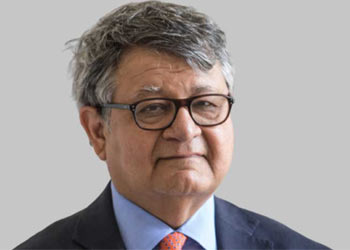
India’s NITI Aayog Vice Chairman, Suman K. Bery, highlighted the benefits of incorporating Sustainable Development Goals (SDGs) into state and local planning. This integration enhances ownership and accelerates progress across various sectors. The international workshop in New Delhi focused on peer learning for Voluntary National Reviews (VNRs) and SDG implementation pathways, drawing policymakers, experts, and officials to enhance governance systems for achieving global goals.
Germany’s Ambassador to India and Bhutan, Philipp Ackermann, emphasized the significance of SDGs as a crucial global framework for measuring development progress. UN Resident Coordinator in India, Stefan Priesner, underlined the evolving role of VNRs in strengthening institutions, identifying gaps, and aligning policies, particularly in planning, financing, and data systems.
Saurabh Garg, Secretary at the Ministry of Statistics and Programme Implementation, stressed the necessity of robust data systems and indicators to monitor SDG progress and facilitate evidence-based policymaking at all governance levels. The workshop included various sessions focusing on different aspects of SDG implementation, with NITI Aayog officials sharing India’s experiences. Programme Director (SDGs) Rajib Kumar Sen highlighted how the VNR process promotes continuous dialogue and coordination among ministries, states, and stakeholders.
Discussions also delved into regional priorities in Asia and the Pacific, emphasizing the need to strengthen institutions, enhance collaboration across sectors, and develop strategies at the subnational level. Participants reviewed global progress to date and contemplated the potential evolution of the SDG framework post-2030. Special roundtable sessions addressed key issues like gender equality, inclusive development, institutional coordination, and the role of data in policymaking.
