


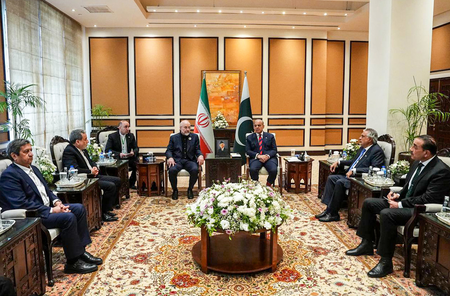
Iran and the US are showing signs of potential communication through secondary-level representatives, with a team from Tehran in Pakistan and a US group preparing to head there. Despite a failed second round of talks due to Iran’s refusal to participate, Tehran is making efforts to reestablish contact.
As tensions persist, Tehran has closed the Strait of Hormuz, while the US has blockaded Iran’s ports. Both sides have engaged in seizing ships, complicating the situation further. Iran’s Foreign Minister Abbas Araghchi’s visit to Islamabad for consultations with Pakistan, Oman, and Russia hints at diplomatic maneuvers.
While direct talks between Iran and the US are ruled out for now, there is a possibility of communication through Pakistani intermediaries. This approach mirrors past indirect negotiations facilitated by Oman. The involvement of key figures like Kushner, Witkoff, and Araghchi underscores the delicate nature of the situation.
White House statements suggest a willingness to engage in dialogue, with US officials monitoring the situation closely. Despite a ceasefire extension by Trump, the blockade remains a contentious issue at the center of the standoff. The internal divide within Iran’s leadership, between moderates and hardliners, adds complexity to the negotiations.
