


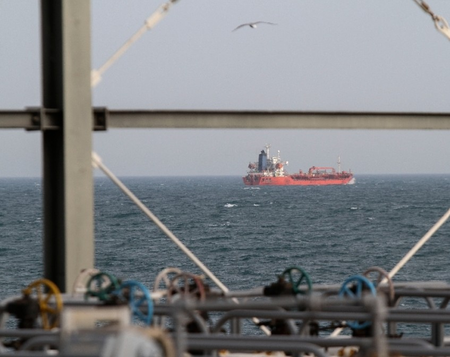
The tension between Iran and the US escalated dangerously as Washington’s ‘Project Freedom’ aimed at freeing stranded ships in the Strait of Hormuz triggered attacks from both sides. US Central Command Chief, Admiral Brad Cooper, revealed that Iran launched cruise missiles and drones at ships in the Strait, prompting the US Navy to intercept them. Additionally, six Iranian speedboats that posed a threat to ships were neutralized.
Iran’s aggression extended beyond the Strait, with reports of attacks on neighboring countries. The United Arab Emirates disclosed an Iranian drone strike on its Fujairah Oil Industry Zone, while Oman’s ONA news agency reported an attack on a housing complex near the Strait, resulting in injuries to two undisclosed expatriates. Interestingly, Iran seemed to be targeting countries other than the US directly.
In a nuanced move, Iran reportedly sent missiles and drones “near US warships” rather than directly at them, as stated in an official PressTV release. US President Donald Trump mentioned an Iranian attack on a South Korean ship but clarified that no other vessels were harmed. Amid escalating tensions, the US and Iran exchanged denials regarding the impact of each other’s attacks.
The conflict in the region has led to a significant number of ships from 87 countries being stranded in the Strait of Hormuz. The US has been actively engaging with numerous ships and shipping companies to facilitate safe passage through the Strait, with two US-flagged ships already navigating through successfully. Despite international condemnation of Iran’s toll demands for passage through the Strait, negotiations between the two nations remain deadlocked, with both sides standing firm on their positions.
