


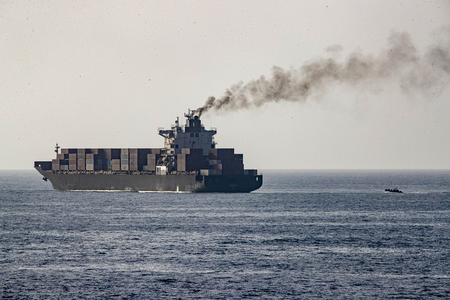
The Iranian cargo ship, M/V Touska, was seized by US forces in the Gulf of Oman for attempting to breach a naval blockade. The vessel, tied to Chinese ports, has connections to transporting materials with potential military use, as per The Wall Street Journal.
Reports indicate that the ship, controlled by a sanctioned Iranian company, had visited the Chinese port of Zhuhai before its interception. Analysts suggest that the cargo aboard the vessel may have been significant, given the attempt to cross an active blockade.
The ship’s journey included stops in Southeast Asia and Chinese ports before heading towards Iran. Maritime security sources mentioned the possibility of the cargo being “dual-use,” serving both civilian and military purposes. The vessel was intercepted near Iranian waters after departing from Port Klang, Malaysia.
Experts note that such routes are often used to disguise cargo origins, with ship-to-ship transfers in Southeast Asia complicating tracking efforts. Despite China’s denial of supplying arms to Iran and controls on dual-use goods exports, the incident raises concerns about global trade networks and enforcement of maritime blockades.
The conflict involving Iran underscores the importance of global trade networks, with US officials intensifying efforts to block vessels suspected of carrying prohibited goods. The Strait of Hormuz, a crucial route for global energy supplies, has faced disruptions impacting shipping and oil markets due to the ongoing tensions.
Iran’s reliance on trade partnerships, particularly with China, has grown amid escalating pressure from the US sanctions. The incident highlights the intricate connections between trade, sanctions, and geopolitical tensions in the region.
