


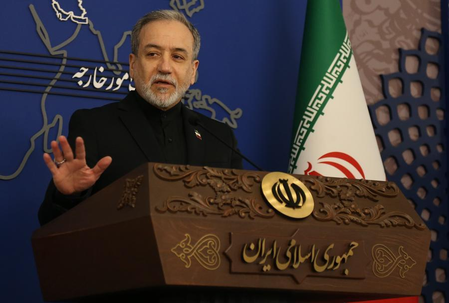
Iran’s Foreign Minister, Seyed Abbas Araghchi, disclosed that Iran and the United States have communicated through intermediaries recently, clarifying that no direct talks have occurred since the US and Israeli attacks on Iran last month. Araghchi emphasized that the messages conveyed were not negotiations but rather exchanges through friendly nations, with Iran reiterating its established stances.
In response to warnings about potential attacks on its infrastructure, Iran cautioned the US, prompting Washington to retract its threat to target Iranian power facilities within 48 hours. Araghchi affirmed Iran’s stance of seeking an end to the conflict without desiring war, highlighting the nation’s preference for resolving the situation on its own terms rather than through a ceasefire.
Stressing Iran’s commitment to resistance and defense without engaging in negotiations, Araghchi outlined the country’s strategy. He also addressed the status of the Strait of Hormuz, asserting it as part of Iran and Oman’s territorial waters, and mentioned ongoing considerations for ensuring safe passage through the strait.
Following US President Donald Trump’s claim of ongoing negotiations with Iran, Araghchi’s statements clarified Iran’s position on the conflict and its objectives, emphasizing a resolution on Iran’s terms. The recent tensions escalated on February 28 with joint US-Israeli attacks on Iran, triggering retaliatory actions from Iran, including missile and drone strikes on US and Israeli targets in the region and control measures in the Strait of Hormuz.
