


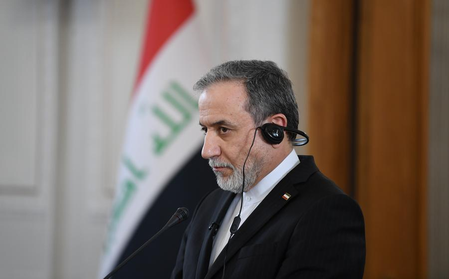
Iranian Foreign Minister Seyed Abbas Araghchi is set to embark on a trip to Pakistan, Oman, and Russia, starting Friday night. The purpose of his visit is to engage in bilateral discussions concerning current regional developments and the ongoing situation in the West Asia conflict, as reported by Iran’s state-run Islamic Republic News Agency (IRNA). Araghchi recently had a phone conversation with Pakistan’s Deputy Prime Minister Ishaq Dar, focusing on regional affairs and the existing ceasefire agreements.
Amid escalating tensions, Araghchi’s visit to Pakistan follows remarks by US President Donald Trump hinting at the possibility of resuming military actions against Iran if diplomatic negotiations fail. Trump emphasized that while he could reach a deal promptly, he prefers a lasting agreement. In the event of failed negotiations, he suggested a military resolution targeting the remaining 25% of designated objectives, following a recent US-led military campaign that he claimed had significantly weakened Iran’s military capabilities.
Trump’s statements come amidst a fragile truce after the military campaign, during which he asserted that a substantial portion of the planned targets had been successfully hit, causing damage to Iran’s naval, air, and missile assets. He highlighted US control over the strategically important Strait of Hormuz, underscoring its economic leverage by keeping the strait closed to pressure Iran financially. Trump also mentioned the internal instability within Iran’s leadership, attributing it to the recent military strikes.
Despite initial expectations of a swift resolution to the conflict, Trump refrained from setting a specific timeline, citing the need for patience in the negotiation process. He pointed out Iran’s heightened economic challenges and disrupted oil supplies as factors increasing pressure on the country. Previous talks between the US and Iran in Islamabad aimed at resolving the West Asia conflict ended without an agreement, with subsequent negotiations postponed due to Iran’s reluctance to participate.
